
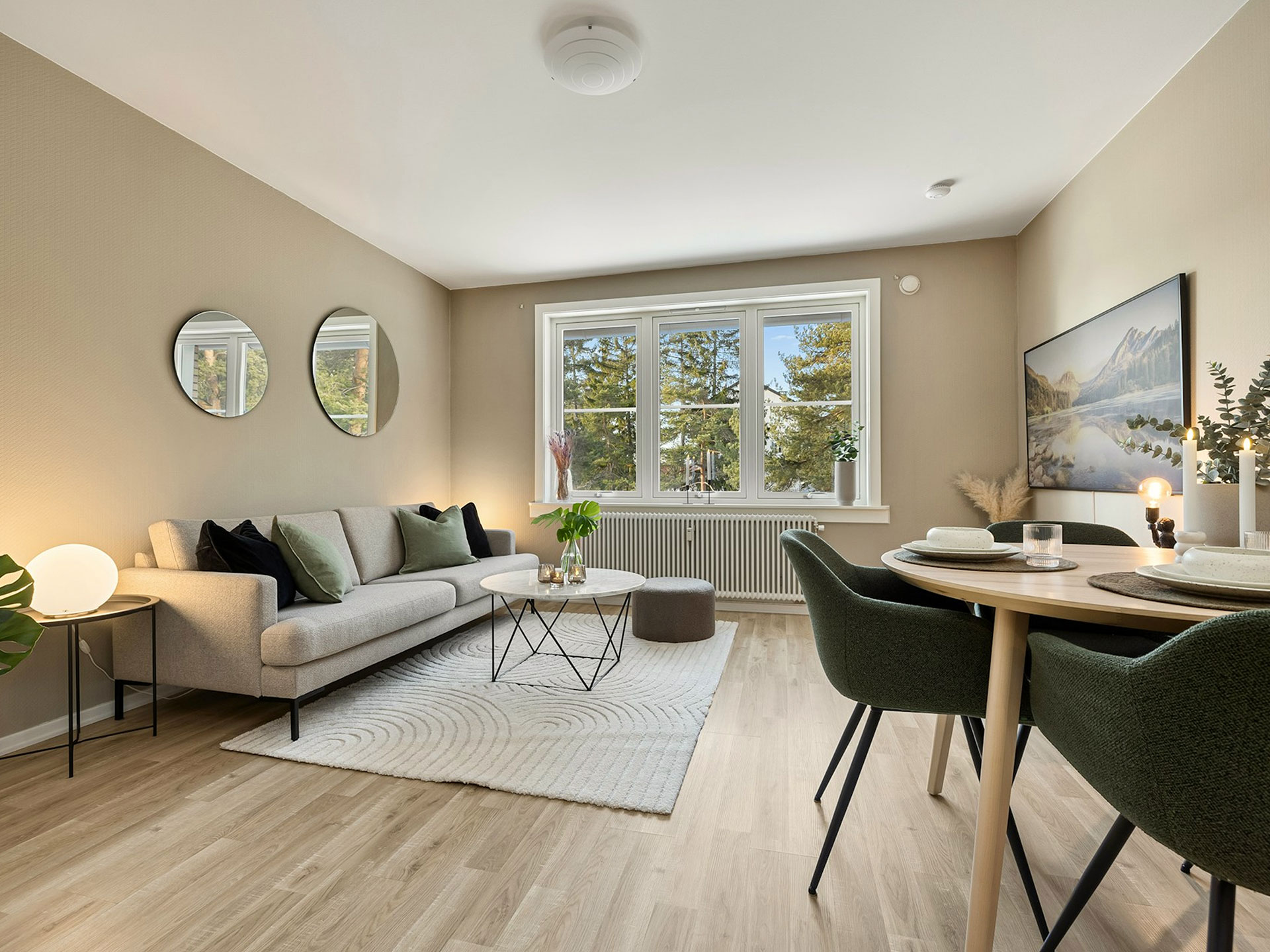
Office Design
November 11, 2025
Office setup ideas

Author:
Furnexa Editorial Team
Office Design
November 11, 2025
Office setup ideas

Author:
Furnexa Editorial Team
Designing an office is more than arranging a desk and chair—it’s about creating an environment that supports focus, comfort, and productivity. With intentional choices, even a compact workspace can feel calm, inspiring, and efficient. A well-planned office minimizes distractions and maximizes clarity. Start by defining how the space will be used—deep work, collaboration, or creative thinking—and let that guide every design decision.
Furniture placement, lighting, and storage should work together to create a flow that feels natural and uncluttered. When everything has a purpose, productivity follows effortlessly.
Balance comfort and efficiency
An office should support the body as much as the mind. Ergonomic seating, proper desk height, and thoughtful spacing reduce fatigue and improve concentration throughout the day.
Key considerations
Choose a chair that supports posture without sacrificing comfort
Keep surfaces clear with smart storage solutions
Use soft lighting to reduce eye strain
Incorporate natural textures to create warmth and balance
Designing an office is more than arranging a desk and chair—it’s about creating an environment that supports focus, comfort, and productivity. With intentional choices, even a compact workspace can feel calm, inspiring, and efficient. A well-planned office minimizes distractions and maximizes clarity. Start by defining how the space will be used—deep work, collaboration, or creative thinking—and let that guide every design decision.
Furniture placement, lighting, and storage should work together to create a flow that feels natural and uncluttered. When everything has a purpose, productivity follows effortlessly.
Balance comfort and efficiency
An office should support the body as much as the mind. Ergonomic seating, proper desk height, and thoughtful spacing reduce fatigue and improve concentration throughout the day.
Key considerations
Choose a chair that supports posture without sacrificing comfort
Keep surfaces clear with smart storage solutions
Use soft lighting to reduce eye strain
Incorporate natural textures to create warmth and balance
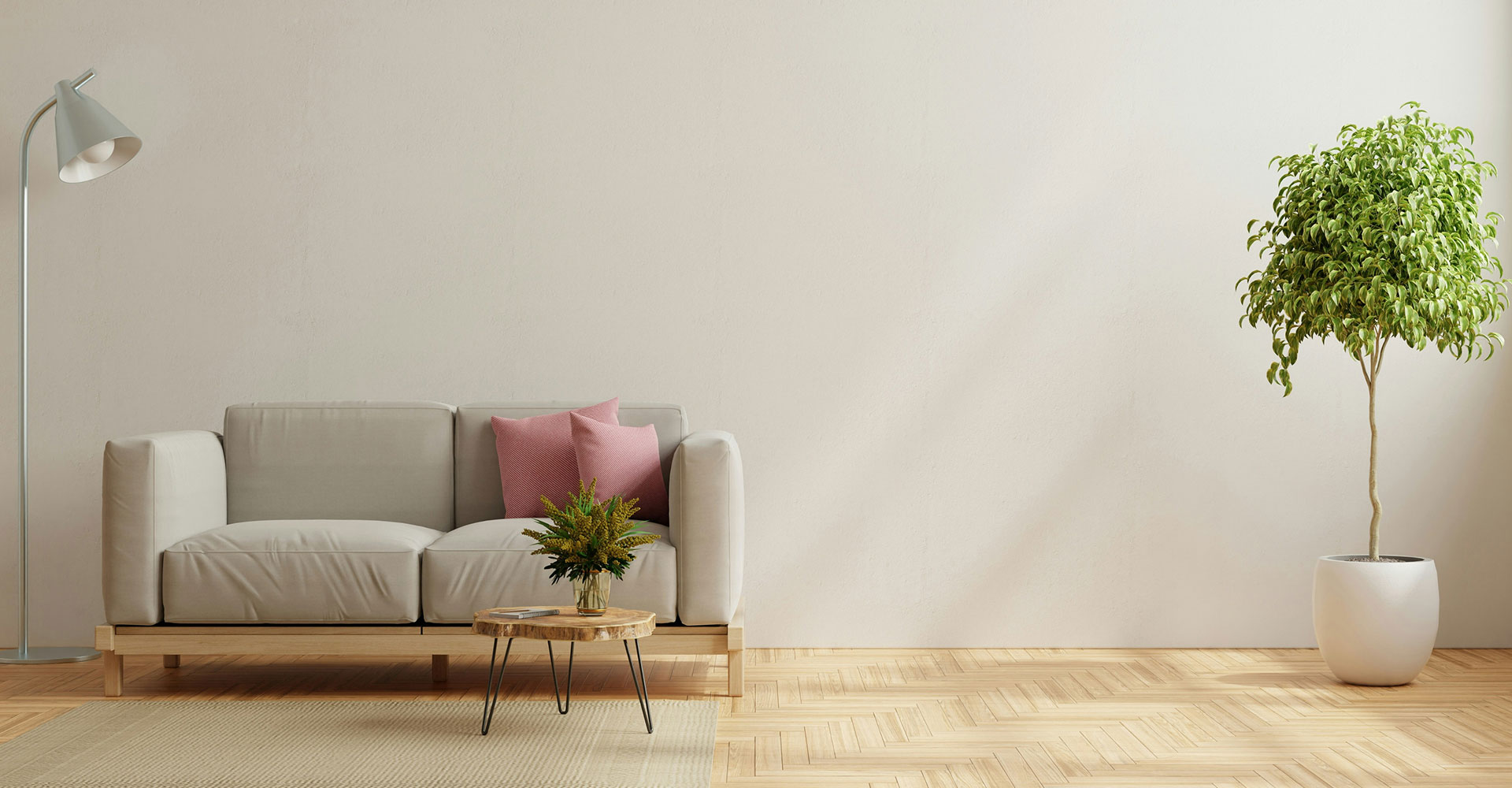
A well-designed office setup helps improve focus, comfort, and productivity throughout the day. Whether working from home or in a shared office, thoughtful furniture choices and layout planning make a significant difference. Proper seating, adequate lighting, and organized surfaces create an environment that supports efficiency without feeling rigid or overwhelming. When design aligns with daily work habits, the workspace becomes both functional and motivating.
A well-designed office setup helps improve focus, comfort, and productivity throughout the day. Whether working from home or in a shared office, thoughtful furniture choices and layout planning make a significant difference. Proper seating, adequate lighting, and organized surfaces create an environment that supports efficiency without feeling rigid or overwhelming. When design aligns with daily work habits, the workspace becomes both functional and motivating.
A productive office isn’t about more furniture—it’s about the right furniture working together effortlessly.
A productive office isn’t about more furniture—it’s about the right furniture working together effortlessly.
A calm interior begins with intentional design choices that reduce visual noise and encourage relaxation. When every element has space to breathe, the room naturally feels more balanced and restorative.
Simplify the visual language
Soft colors, clean lines, and uncluttered layouts help create a sense of ease. Limiting contrast and repetition allows the eye to move comfortably through the space. Furniture with gentle proportions and understated details supports a calm atmosphere without feeling plain. Calm interiors consider how people feel in the space. Lighting, textures, and layout all play a role in creating a soothing environment.
Design principles
Use muted, neutral tones
Avoid excessive patterns or décor
Choose furniture with soft silhouettes
Maintain clear pathways and open space
A calm interior begins with intentional design choices that reduce visual noise and encourage relaxation. When every element has space to breathe, the room naturally feels more balanced and restorative.
Simplify the visual language
Soft colors, clean lines, and uncluttered layouts help create a sense of ease. Limiting contrast and repetition allows the eye to move comfortably through the space. Furniture with gentle proportions and understated details supports a calm atmosphere without feeling plain. Calm interiors consider how people feel in the space. Lighting, textures, and layout all play a role in creating a soothing environment.
Design principles
Use muted, neutral tones
Avoid excessive patterns or décor
Choose furniture with soft silhouettes
Maintain clear pathways and open space
Related Articles
Furniture Guides
Design styling tips
Furniture Guides
Design styling tips
Furniture Guides
Design styling tips
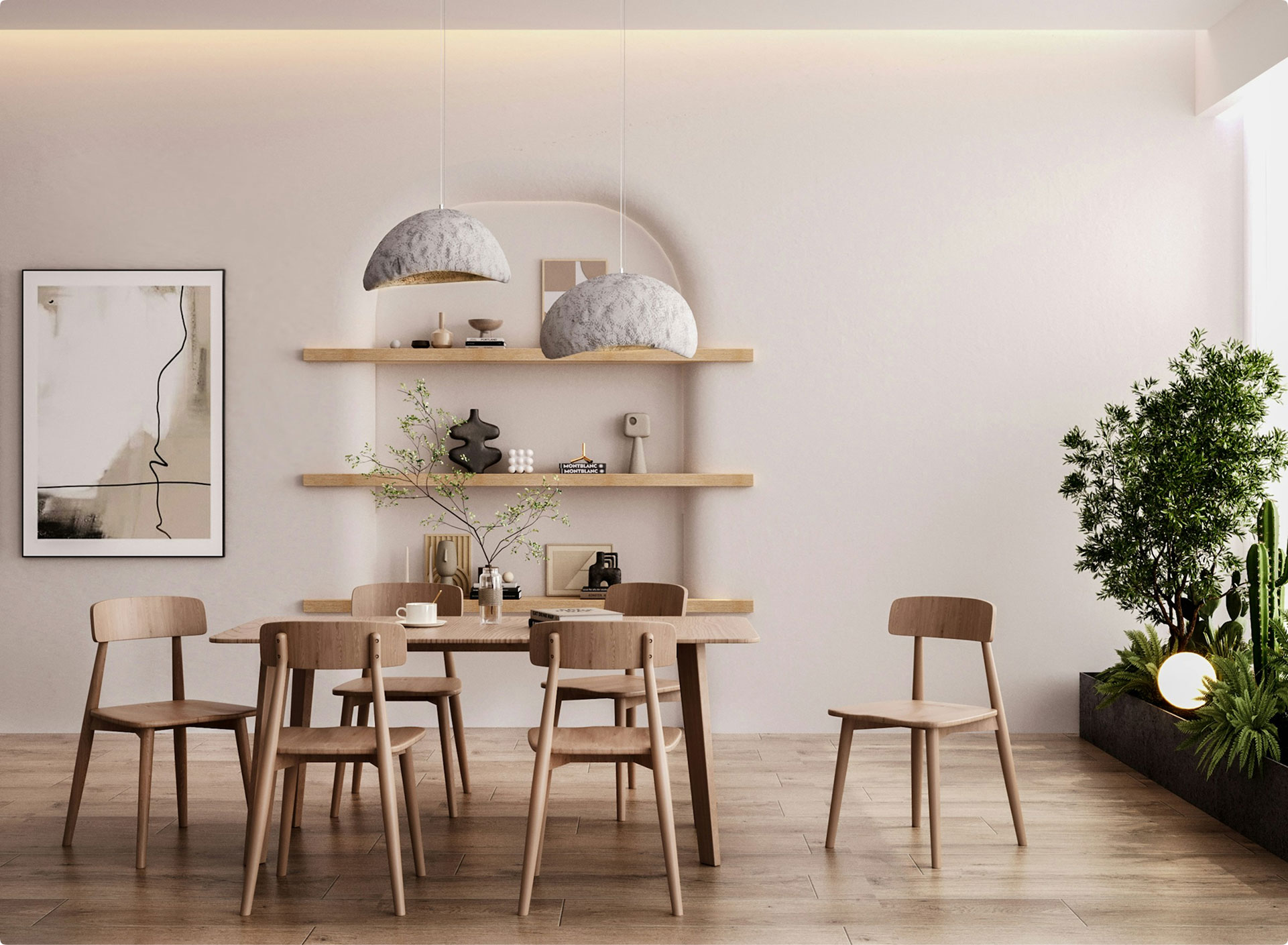
Living Spaces
Home décor inspiration
Living Spaces
Home décor inspiration
Living Spaces
Home décor inspiration
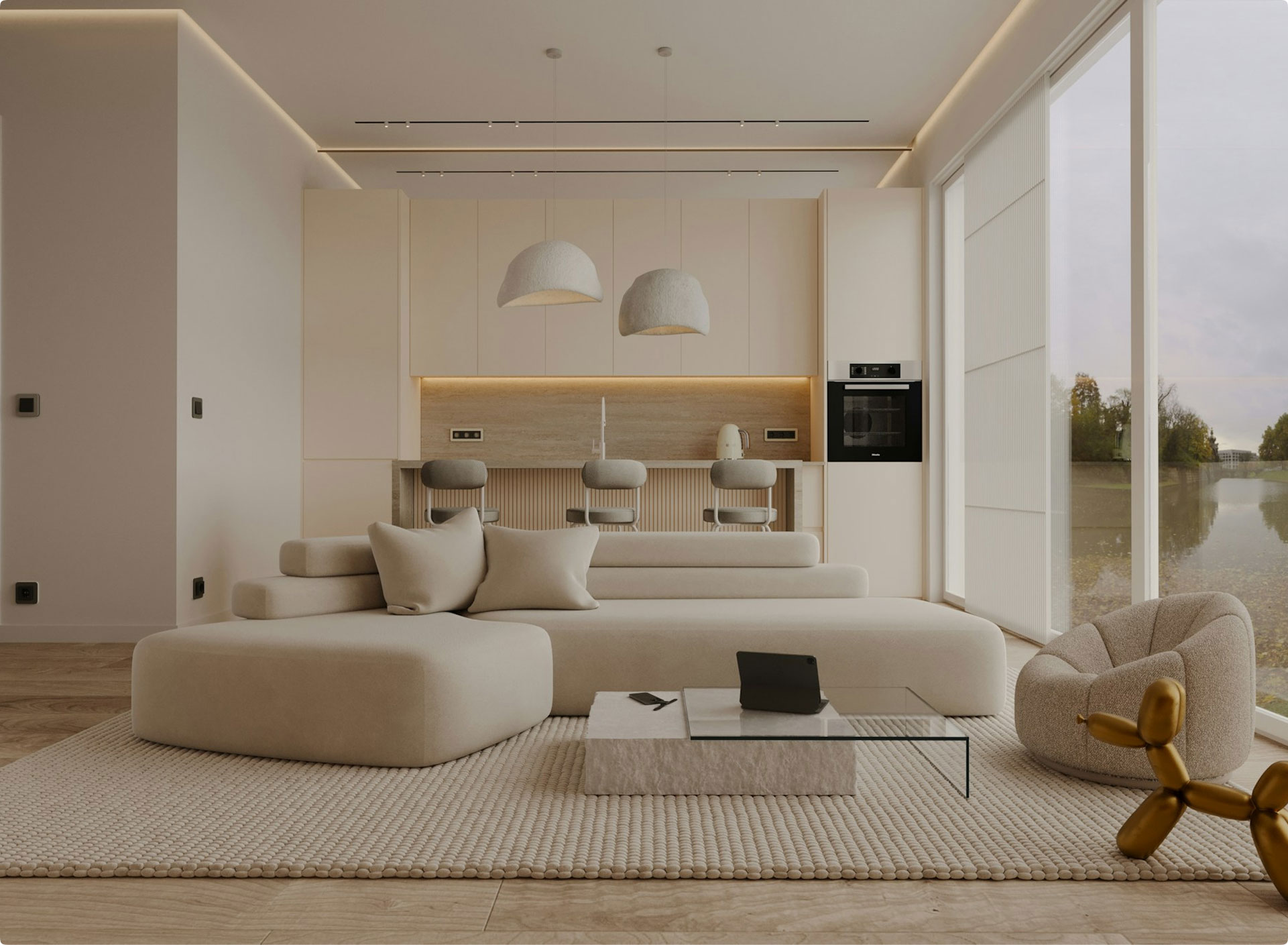
Furniture Guides
Modern living essentials
Furniture Guides
Modern living essentials
Furniture Guides